AI doesn’t just automate tasks.
It improves decision-making across the entire system.
1. Predictive Demand Forecasting
This is where AI creates the biggest impact.
Instead of guessing, it uses patterns across multiple variables to predict demand more accurately.
That means fewer surprises, fewer stockouts, and less dead inventory.
2. Automated Replenishment
Traditional systems rely on fixed reorder points.
AI doesn’t.
It adjusts reorder levels dynamically based on:
- Real-time demand predictions
- Supplier lead times
- Safety stock requirements
So inventory stays balanced without constant manual intervention.
3. Multi-Warehouse Optimization
If you operate across locations, placement matters.
AI decides where inventory should live, not just how much you need.
It considers:
- Regional demand
- Delivery speed
- Shipping costs
- Warehouse capacity
This reduces logistics cost while improving delivery performance.
4. Real-Time Visibility
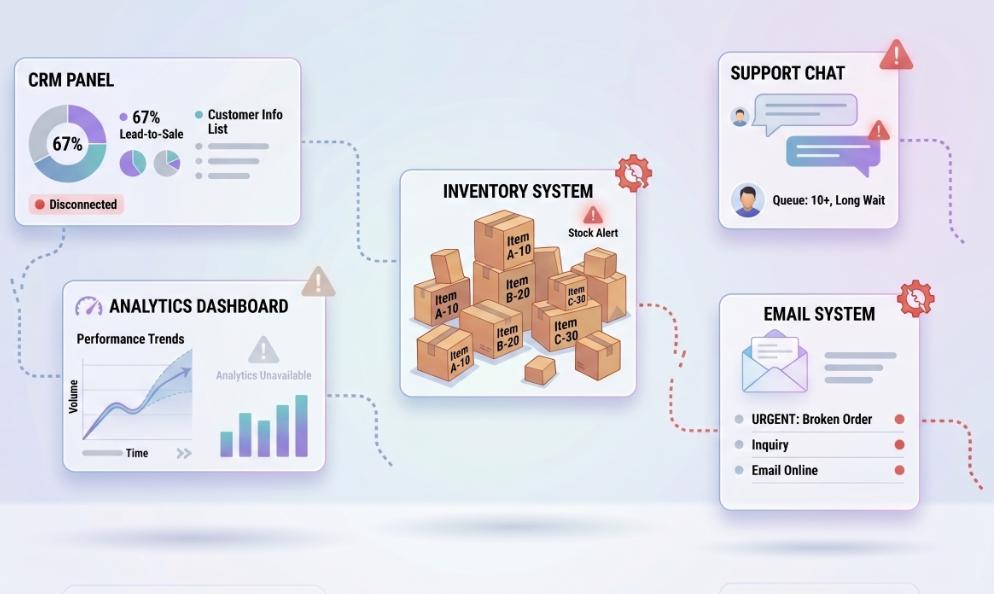
One of the biggest operational gaps we see is fragmented data.
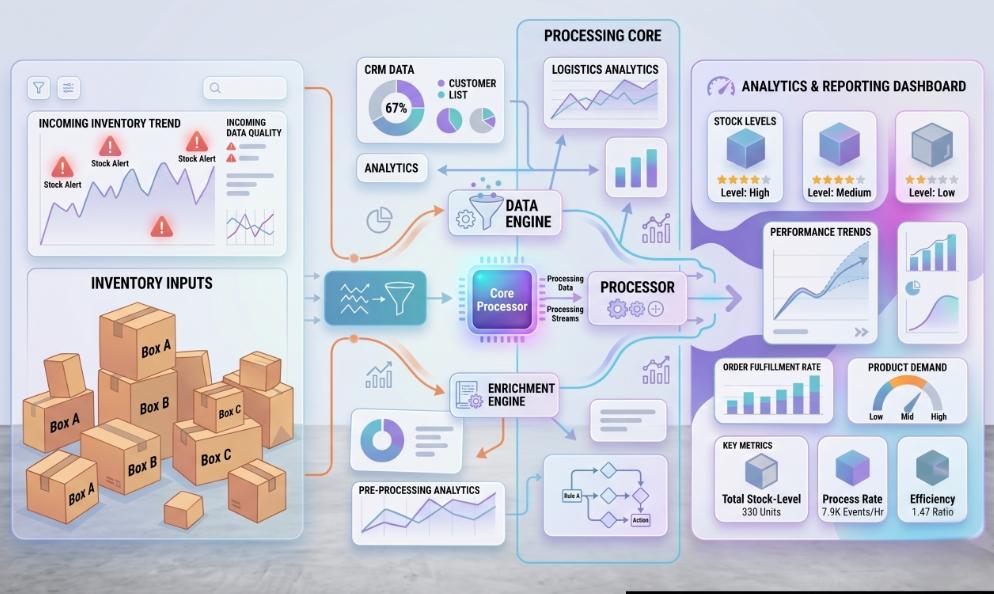
AI systems solve this by connecting:
- Warehouse systems
- E-commerce platforms
- POS systems
- Logistics providers
The result is a single, real-time view of inventory.
No delays. No blind spots.
5. Waste Reduction
AI helps identify slow-moving or dead stock early.
Instead of reacting late, it recommends actions like:
- Discounts
- Bundles
- Stock redistribution
This directly reduces storage costs and losses.