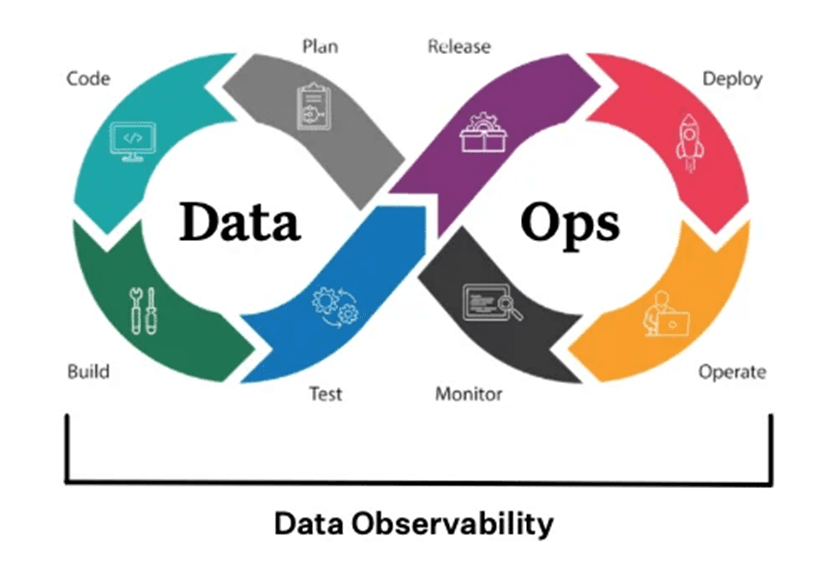
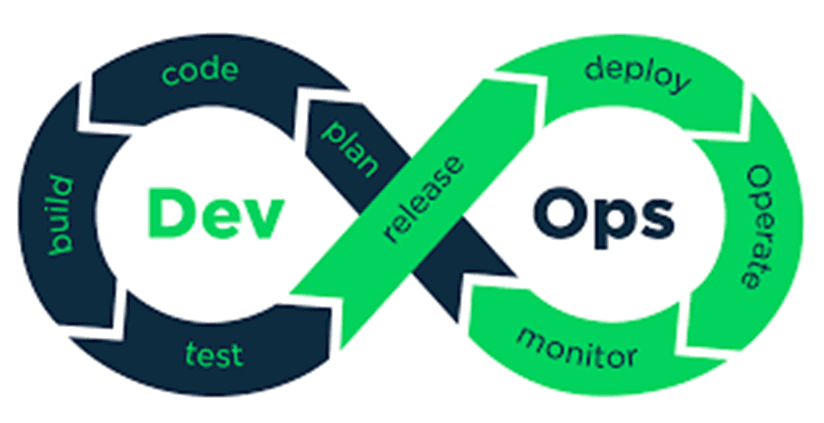
While both DataOps and DevOps share common principles such as collaboration, automation, and continuous delivery, they focus on different aspects of the software development lifecycle:
1. Scope: DataOps is specifically tailored for data analytics and management processes, whereas DevOps encompasses the entire software development lifecycle, including application development, deployment, and operations.
2. Tools and Technologies: DataOps relies on tools and technologies designed for data integration, processing, and analytics, such as data pipelines, ETL (Extract, Transform, Load) tools, and data governance platforms. DevOps utilizes a wide range of tools for infrastructure automation, CI/CD, version control, monitoring, and collaboration.
3. Culture and Collaboration: Both DataOps and DevOps promote a culture of collaboration and shared responsibility, but they may involve different stakeholders and teams. DataOps emphasizes collaboration among data engineers, data scientists, and business analysts, while DevOps focuses on collaboration between development, operations, and quality assurance teams.
4. Goals and Outcomes: The primary goal of DataOps is to accelerate the delivery of data analytics insights and improve the quality and reliability of data-driven decisions. In contrast, DevOps aims to enhance the speed, reliability, and scalability of software delivery, enabling organizations to innovate and respond to market changes more effectively.