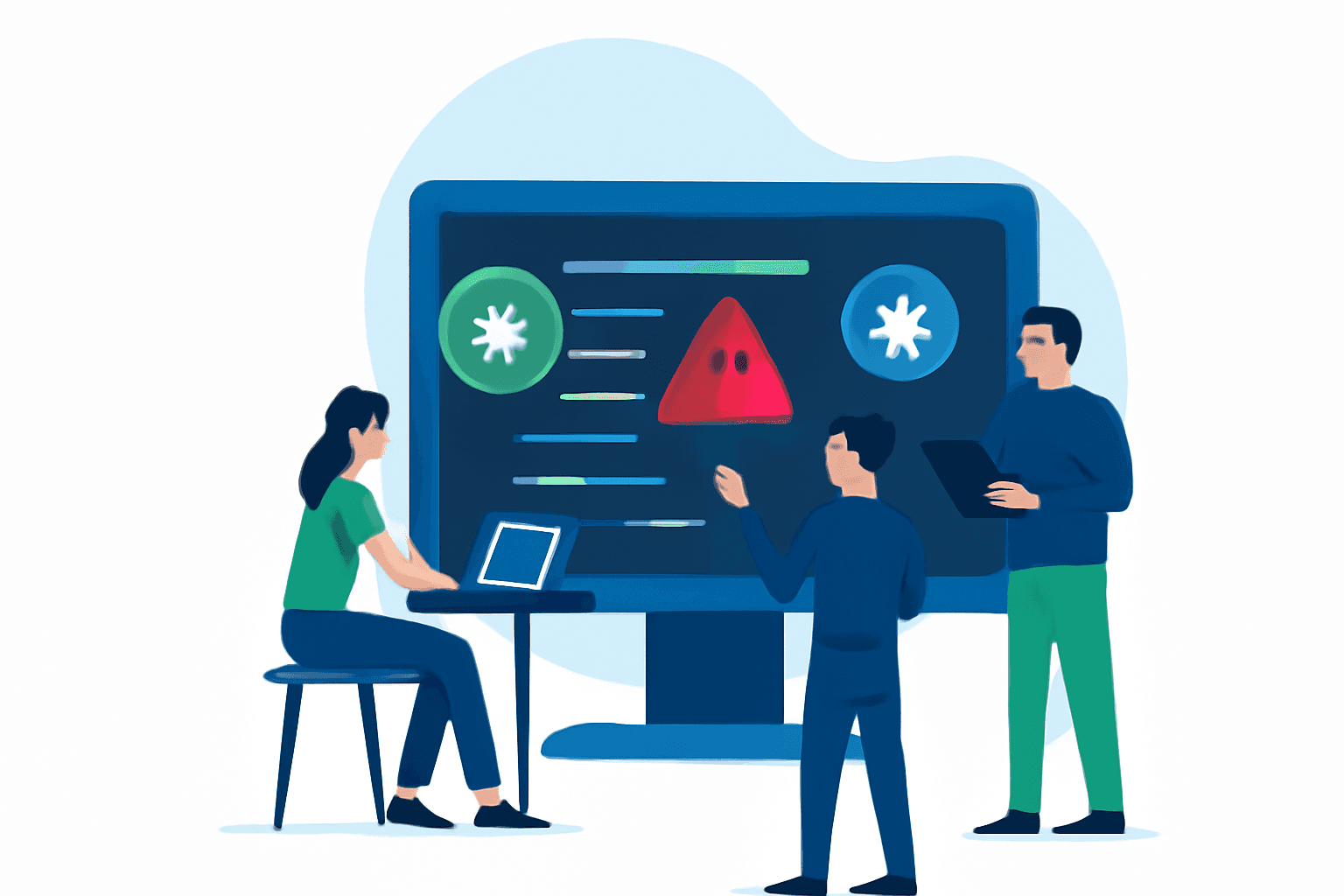
Common Software Bugs and How Quality Assurance Teams Can Prevent Them

  • Functional bugs affect core features, leading to crashes and incorrect outputs.

  • Performance bugs degrade user experience with slow loading times or high resource usage.

  • Compatibility bugs cause inconsistent behavior across devices, browsers, and OS.

  • Security bugs expose software to vulnerabilities, risking data breaches and attacks.

Last Update: 16 Oct 2024
Common Software Bugs and How Quality Assurance Teams Can Prevent Them image

Preventing Common Software Bugs: How Quality Assurance Teams Ensure Reliable Applications

1. Functional Bugs

2. Performance Bugs

3. Compatibility Bugs

4. Security Bugs

5. UI/UX Bugs

6. Logic Bugs

7. Regression Bugs

Final Thoughts

Frequently Asked Questions

Functional bugs occur when a software feature doesn't perform as expected, affecting the core functionality of the application. For instance, incorrect outputs, broken workflows, or crashes can result from these bugs, disrupting the user experience and preventing the software from meeting its requirements. QA teams prevent functional bugs by creating thorough test cases and performing both manual and automated tests.

Author

Content Team at Mediusware

We are the Mediusware Editorial Team, passionate about crafting insightful content on technology, software development, and industry trends. Our mission is to inform, inspire, and engage our audience with well-researched articles and thought leadership pieces. With a deep understanding of the tech landscape, we aim to be a trusted source of knowledge for professionals and enthusiasts alike.
Get the best of our content straight to your inbox!

By submitting, you agree to our privacy policy.

Let's
Talk