Logo
Services
Industries
Technologies
About
Case Study
Blog

120+ expert engineers & designers in AI, Web, Mobile.

General Inquiries

hr@mediusware.com+880 1897-661850-51

Discuss Services

sales@mediusware.com+880 1750-020408

Mediusware 2015 - 2026. All Rights Reserved

Company

Our StoriesLeadershipBlogsContactCareerCSR Terms & ConditionsPrivacy Policy

Services

Software DevelopmentWeb DevelopmentMobile App DevelopmentE-commerce DevelopmentQA & DevOpsDigital MarketingArtificial IntelligenceBranding & Visualization

Industries

RetailE-learningTravelHealthcareLogisticsEntertainmentFintechReal Estate

Quick Links

ImpactPartnershipHireToolsPitch DeckEstimatorOur Team

How AI Is Transforming Hollywood After the Oscars 2026

Published on: 12 February, 2026

Last updated on: 21 February, 2026

  • AI tools are transforming filmmaking through editing, VFX, and production automation.
  • Streaming platforms and studios use AI insights to predict and produce successful content.
How AI Is Transforming Hollywood After the Oscars 2026 image

Table of content

AI in Film Production

AI in Editing and VFX Pipelines

Predictive Analytics for Movie Success

AI and Human Creativity: The Future of Filmmaking

Opportunities for Tech Startups

Final Thoughts

You May Also Like

Summarize with AI
ChatGPT
ChatGPT
Google AI Studio
Google AI Studio
Claude
Claude
Grok
Grok
Perplexity
Perplexity

The 2026 Oscars celebrated the best films of the year. But something bigger was happening behind the scenes. AI didn’t just attend Hollywood’s biggest night, it’s quietly reshaping how movies are made.


From scriptwriting tools to automated editing and predictive analytics, artificial intelligence is becoming part of the filmmaking pipeline. And the shift is happening faster than most people expected.


According to a PwC global entertainment report, AI-driven tools could help reduce production costs and increase efficiency across film and media workflows over the next decade.


For Hollywood studios, this means faster production cycles. For tech companies and startups, it opens an entirely new innovation frontier. Let’s explore how AI is transforming filmmaking after the Oscars 2026.

AI in Film Production

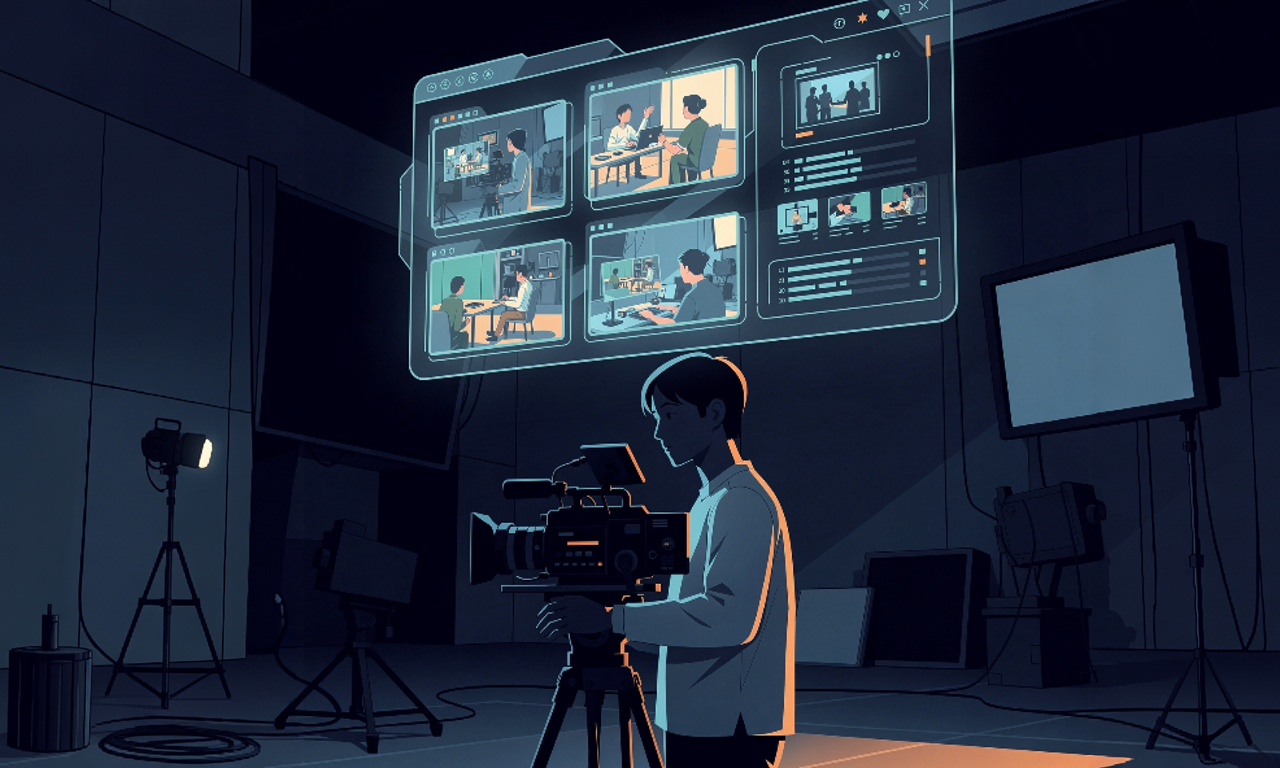
Film production traditionally requires large crews, expensive equipment, and months of planning. AI is beginning to change that.


Modern AI systems can now assist filmmakers in multiple ways:

  1. Script analysis: AI tools analyze scripts to predict audience engagement.
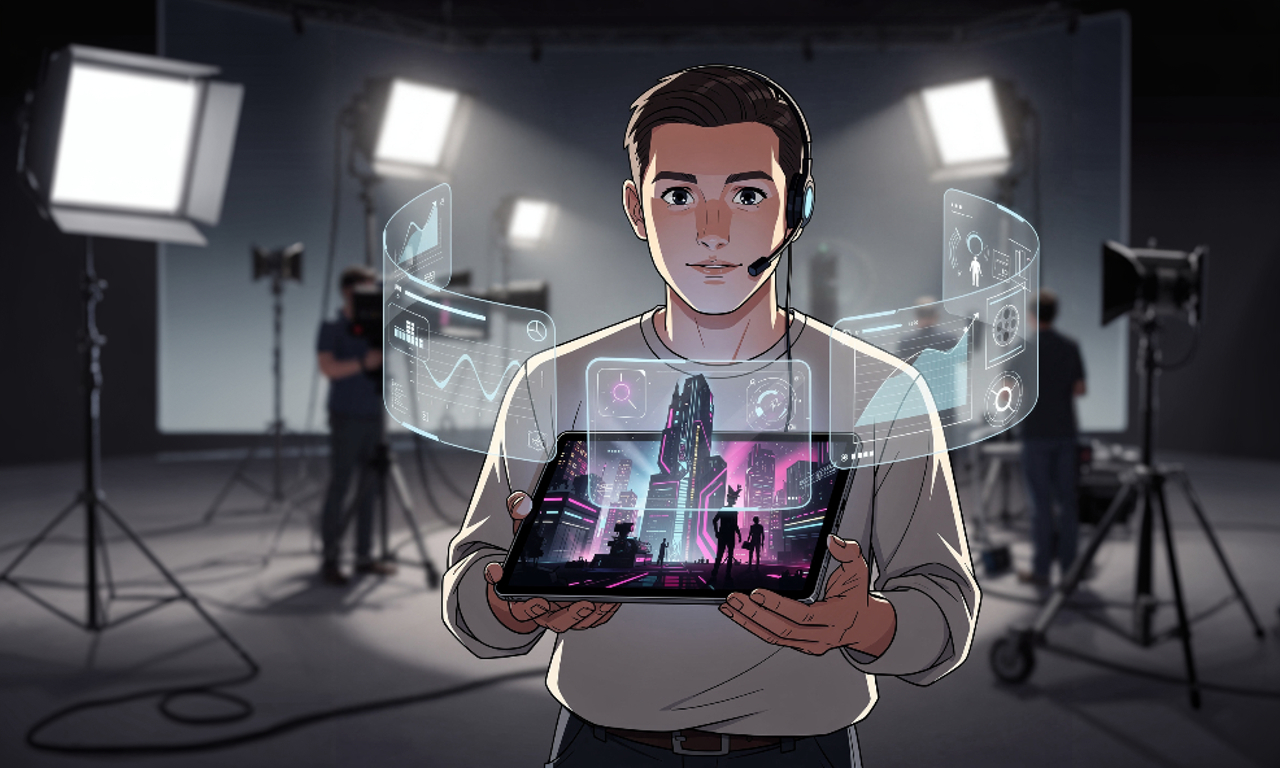
  2. Scene planning: Generative AI helps visualize scenes before shooting begins.
  3. Virtual actors and environments: AI-generated characters and digital sets reduce filming complexity.


For example, companies like Runway ML and OpenAI-powered creative tools allow filmmakers to generate visual scenes from text prompts.


Director James Cameron once said:

Technology is the engine that powers storytelling.

Today, AI is becoming one of those engines.

AI in Editing and VFX Pipelines

Post-production has always been one of the most expensive parts of filmmaking. Editing, visual effects, sound design, and color correction require massive teams and long timelines.


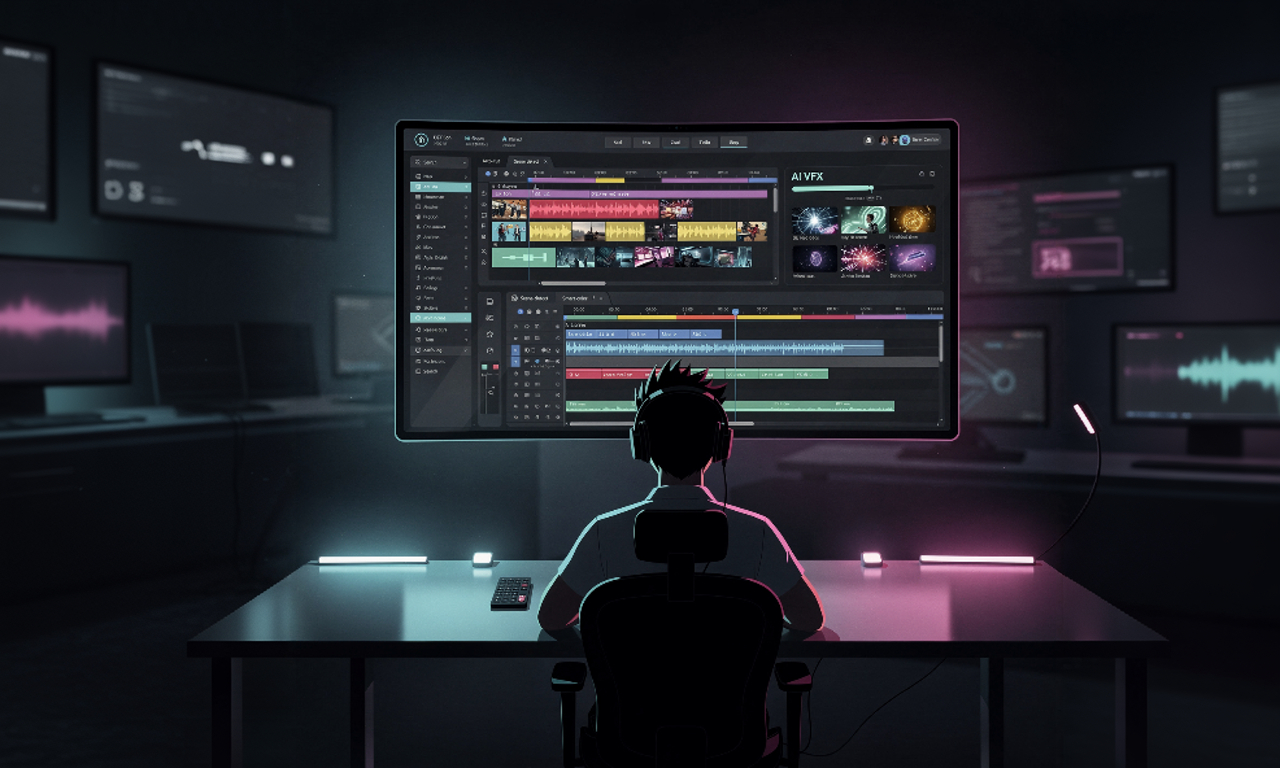
AI is now automating parts of this workflow. Here are some major areas where AI is already helping:


1. Automated Video Editing

AI tools can analyze footage and automatically select the best takes. This helps editors speed up the process dramatically.


2. AI-Generated Visual Effects

AI models can create realistic environments, crowds, or visual simulations without requiring expensive CGI teams.


For example, AI tools can generate background elements like:

  • Cities
  • Landscapes
  • Weather effects
  • Large crowds


3. AI-Assisted Color Grading

Color correction tools powered by machine learning can automatically match cinematic tones across scenes.


According to Adobe research:

AI-powered editing tools can reduce post-production workloads by up to 30–40% in some workflows.

This means faster releases and more experimentation with storytelling.

Predictive Analytics for Movie Success

Streaming platforms have another powerful use for AI: predicting what audiences want to watch. Companies like Netflix, Amazon Prime, and Disney+ already use machine learning to analyze viewer behavior.


AI can evaluate:

  • Watch history
  • Genre preferences
  • Viewer retention
  • Engagement patterns


This data helps studios decide:

  1. Which scripts to produce
  2. Which actors attract audiences
  3. Which genres perform best globally


Netflix famously uses recommendation algorithms to influence 80% of viewer activity, according to company research. That means AI isn’t just helping movies get made. It’s helping determine which movies get funded.

AI and Human Creativity: The Future of Filmmaking

Despite the rapid adoption of AI tools, filmmaking will always remain a creative art. AI cannot replace imagination, emotional storytelling, or cultural insight. What it can do is enhance creative workflows.


Instead of replacing filmmakers, AI allows directors, editors, and writers to focus on storytelling rather than repetitive tasks. Think of AI as a creative assistant. It can generate ideas, accelerate production, and automate technical processes, but the human vision still drives the narrative.


As filmmaker Guillermo del Toro once explained:

Technology is only meaningful when it helps artists tell better stories.

The future of Hollywood will likely be a collaboration between human creativity and intelligent tools.

Opportunities for Tech Startups

The rise of AI-driven filmmaking creates massive opportunities for technology companies.


Startups are already building tools for:

  1. AI-generated visual production
  2. Automated script analysis
  3. AI-powered editing workflows
  4. Predictive audience analytics
  5. Virtual production environments


Studios increasingly rely on software innovation to reduce production costs and improve efficiency. This is where AI development companies and engineering teams play a crucial role.


Building scalable AI platforms, automation tools, and intelligent analytics systems is becoming essential for the entertainment industry.

Final Thoughts

Hollywood has always embraced technology—from sound recording to CGI. AI is simply the next evolution.


After the Oscars 2026, one thing is clear: the future of filmmaking will blend human creativity with intelligent machines. Studios that adopt AI responsibly will produce content faster, experiment with new storytelling formats, and reach audiences more effectively. And for technology companies, the film industry is becoming one of the most exciting frontiers for AI innovation.

Frequently Asked Questions

AI assists with script analysis, editing, visual effects, content recommendations, and production planning.

Author
We are the Mediusware Editorial Team, passionate about crafting insightful content on technology, software development, and industry trends. Our mission is to inform, inspire, and engage our audience with well-researched articles and thought leadership pieces. With a deep understanding of the tech landscape, we aim to be a trusted source of knowledge for professionals and enthusiasts alike.
Mediusware Editorial Team

Content Team at Mediusware

Get the best of our content straight to your inbox!

By submitting, you agree to our privacy policy.

AI in Film Production
AI in Editing and VFX Pipelines
Predictive Analytics for Movie Success
AI and Human Creativity: The Future of Filmmaking
Opportunities for Tech Startups
Final Thoughts
Navigate
AI in Film ProductionAI in Editing and VFX PipelinesPredictive Analytics for Movie SuccessAI and Human Creativity: The Future of FilmmakingOpportunities for Tech StartupsFinal Thoughts

Get the best of our content straight to your inbox!

By submitting, you agree to our privacy policy.

Featureblogs

01C# vs. Java: Key Differences, Advantages, and Future Prospects02The Top 10 Most Popular Java Frameworks03The Future of NLP: Key Trends04Is Golang Still the Right Choice in 2025?05Top 8 Python GUI Frameworks for Developers

Authorblogs

01How CTOs Can Scale Engineering Teams Without Breaking Delivery02The Hidden Cost of Understaffed Development Teams03Why Product Roadmaps Get Delayed Even With Good Developers04Google Messages Copy and Paste Update: Why This Small Change Matters More Than It Looks05How SaaS Companies Scale Development Without Increasing Overhead