The power of color isn’t a modern discovery. For centuries, colors have played a crucial role in art, design, and human culture. The journey of color theory dates back to ancient times, where early philosophers and scientists tried to understand the nature of colors and their emotional impact.
In ancient Egypt, colors were often used symbolically—green for rebirth, red for life and power, and yellow for the sun. As history progressed, so did our understanding of color, especially with the rise of Greek philosophy, which laid the groundwork for the psychological association of colors.
The Renaissance marked a major turning point when Leonardo da Vinci and other artists began experimenting with the mixing of pigments to create depth, texture, and emotion in their art. This paved the way for modern color theory.
By the 17th century, Sir Isaac Newton revolutionized our understanding of color when he discovered that white light is made up of all colors. He introduced the color wheel, organizing colors in a way that showed their relationships and harmony.
The 19th century saw further exploration, with scientists like Johann Wolfgang von Goethe diving into the psychology of color, analyzing how colors could affect human emotion and behavior. This was the foundation of what we now call color psychology—the study of how different hues influence our mood and decision-making.
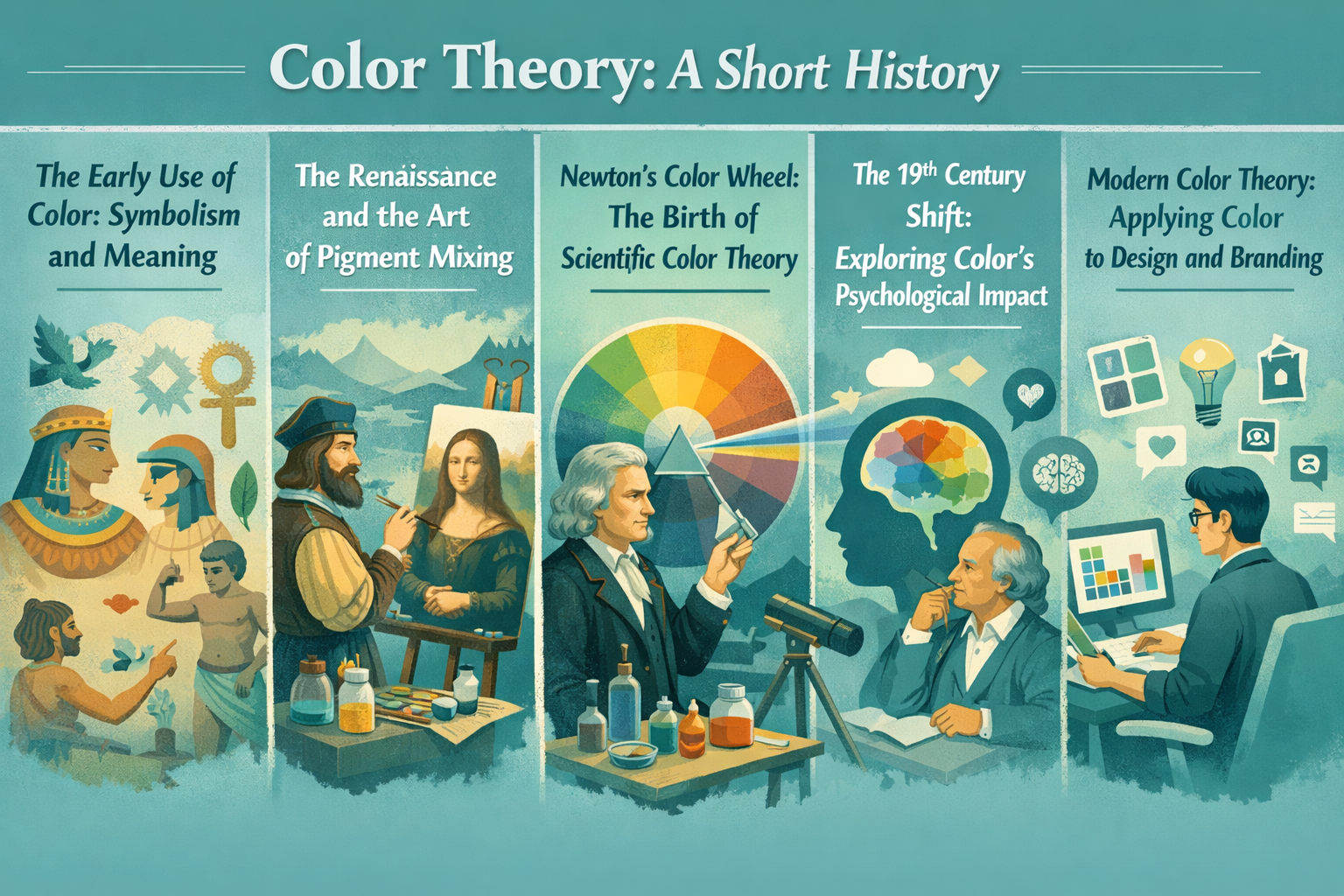
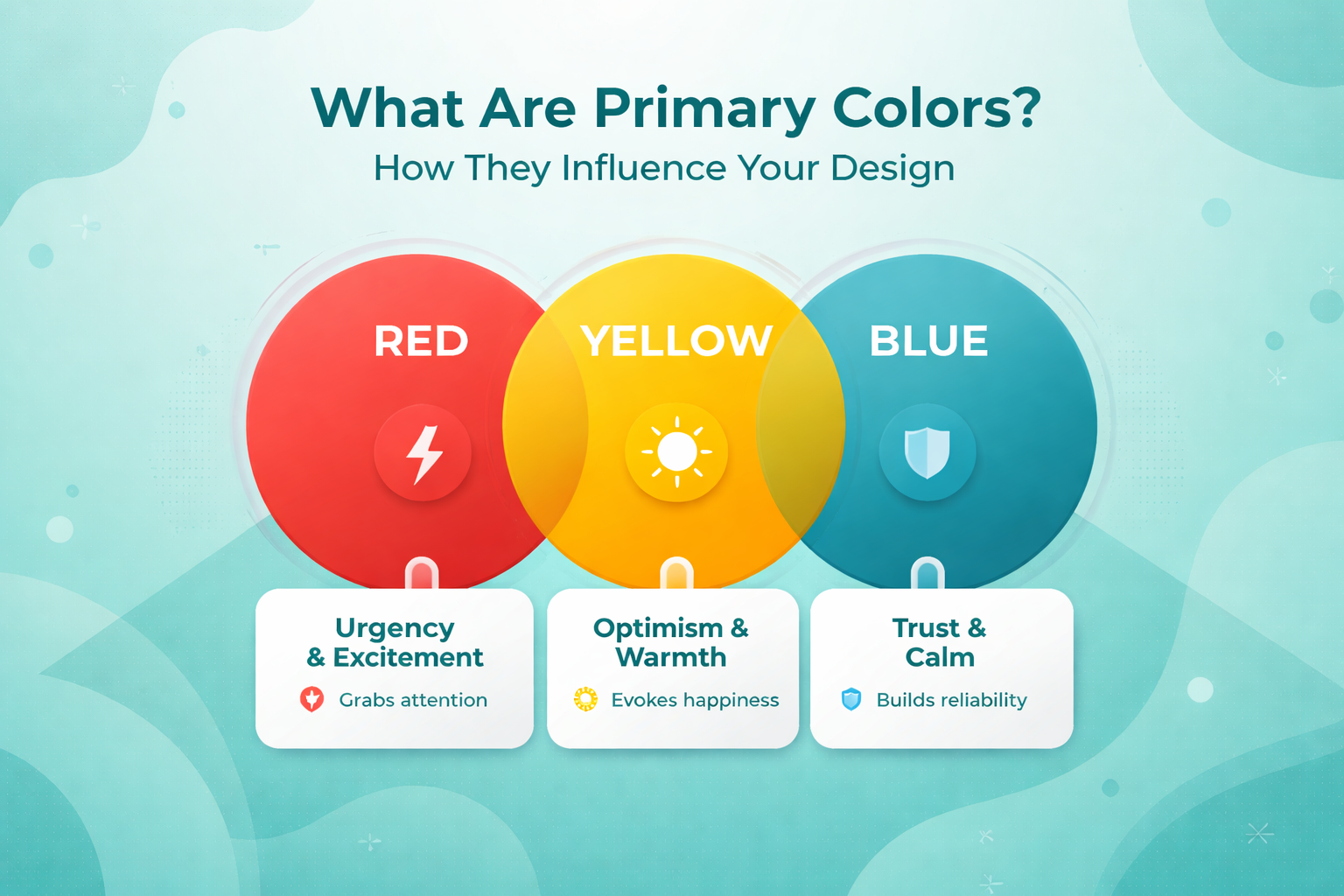
Fast forward to today, and color theory has become an integral part of graphic design, branding, and marketing. The use of primary colors—red, yellow, and blue—remains as relevant as ever, not just for their aesthetic value, but for their emotional impact and ability to influence user behavior.